Network segmentation has become a critical component of Zero Trust programs and organizations’ ability to maintain compliance amid numerous regulations being introduced by governments and industry bodies. Forescout believes that IoT security must be based on a Zero Trust approach that combines complete device visibility, proactive network segmentation and least-privilege access control of all digital assets –devices, users, apps and workloads.
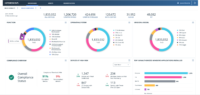
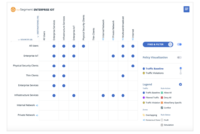
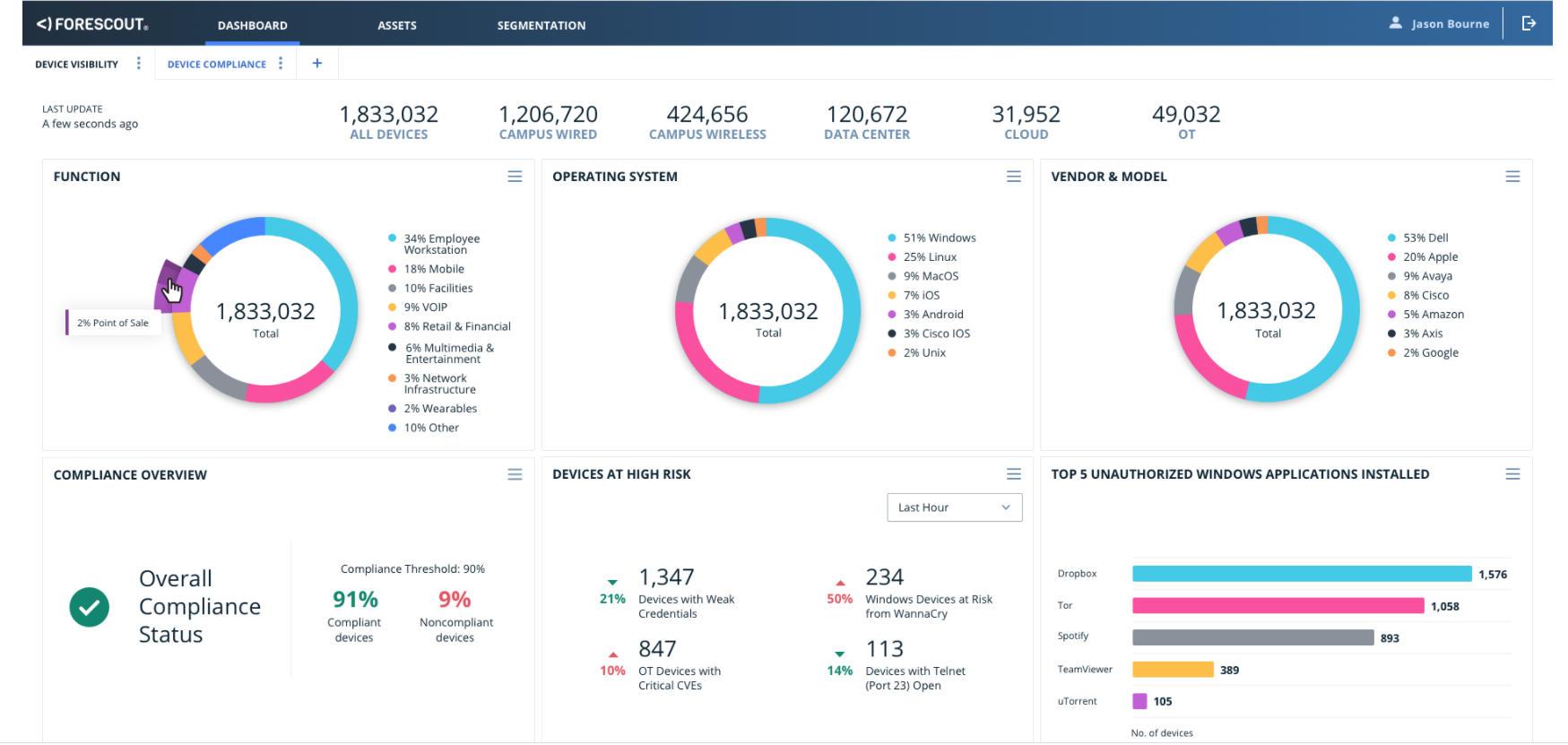
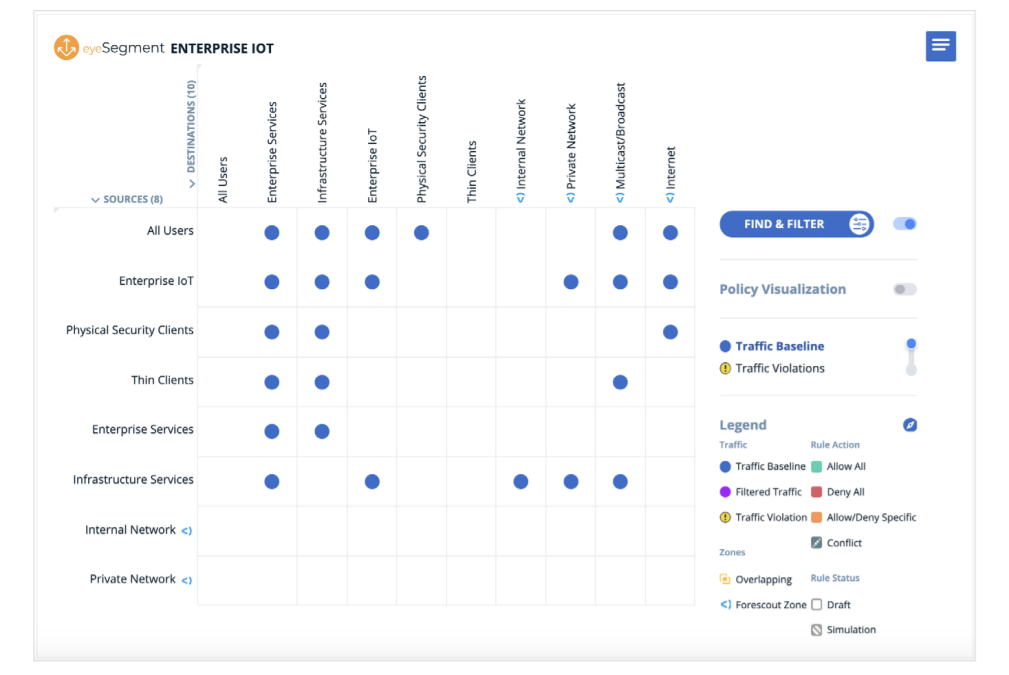
To support organizations with their Zero Trust initiatives, Forescout recently expanded its set of network segmentation capabilities on the Forescout platform that will provide end-to-end visibility and real-time analysis to automate risk mitigation and policy management.
These capabilities offer a clear path from managed network access to full Zero Trust. With Forescout, organizations are able to take a more proactive stance in combating threats posed by all devices. A clear path to execute network segmentation is imperative, and Forescout embraces these three principles to help lead the most successful network segmentation outcomes:
– Understand business requirements
– Know what is on the network and how it communicates
– Visualize traffic flows
Forescout continues to help security teams of workers and CISOs explore new tactics in the evolving threat landscape by encouraging them to:
– Follow a Zero Trust model to ensure security leaders are accounting for any potential risks that may have arisen due to remote work
– Update cybersecurity strategies and quiet networks to baseline network activity for better understanding of anomalous activity
– Educate workers on best practices for remote work
Based on the effective and efficient nature of its platform and guidance, Forescout has been selected by prominent organizations to help implement Zero Trust architectures and/or initiatives, including the National Institute of Standards and Technology’s (NIST) National Cybersecurity Center of Excellence (NCCoE), Canada’s University Health Network, and the Defense Information Systems Agency (DISA).
How we are different
The Forescout platform’s network segmentation capabilities provide unparalleled end-to-end visibility and real-time analysis to automate risk mitigation and policy management, allowing organizations to more effectively pursue Zero Trust programs. With Forescout, companies have increased ability to simplify the design, planning and deployment of non-disruptive, dynamic segmentation across their Enterprise of Things to reduce attack surfaces and regulatory risk. Existing infrastructure can be leveraged, instead of starting from scratch, meaning that customers can streamline integration across multiple network security solutions and more quickly identify authorized/unauthorized devices. After deployment, this is 30% more on average than customers originally anticipated.
Forescout values the performance of its end-products and the experience of its end-users. Forescout uses its powerful policy enforcement and industry-leading device knowledge to advise customers on how to make smarter decisions on security and business strategy in an ever-evolving threat landscape. Today, over 3,800 global companies, including many Fortune 1000 companies, rely on Forescout and its 20+ years of device intelligence and automated cybersecurity governance to mitigate risks from network-connected devices. With the consistent increase in connected devices and rise in sophisticated attacks, organizations can trust Forescout to secure enterprises, continuously innovate its solutions, and guide its customers in Zero Trust programs that help secure the cybersecurity community at large.
Forescout has earned partnerships with prominent organizations across diverse industries ranging from government to healthcare to manufacturing and beyond. This is a testament to the platform’s versatility and the company’s reliability. For instance, in 2021, Forescout was selected by the National Institute of Standards and Technology’s (NIST) National Cybersecurity Center of Excellence (NCCoE), Canada’s University Health Network, and the Defense Information Systems Agency (DISA) to help develop Zero Trust architectures and initiatives for enterprises that wish to implement Zero Trust security defenses.
About this category: Zero Trust Security
The Cybersecurity Excellence Awards recognize zero trust security products. The category covers products that apply zero trust across an organization, checking every user, device and workload on each request instead of trusting the network.
An independent jury of security practitioners, analysts and CISOs scores each nomination on leadership, innovation and impact. Each nomination competes in its category against organizations of similar size and region. Entry packages, sponsorship and public votes do not affect the jury's scores.
Community Choice voting for the 2022 season closed on July 10, 2022.
What is the Community Choice Award?
A separate award decided by public vote, independent of the jury awards. Each completed share of a profile on LinkedIn, Facebook or X counted as one vote.
2027 award season
Nominations closeFebruary 27, 2027
Jury winners announcedWeek of March 22
Community Choice voting closesJuly 10, 2027
Nominate in this category
Enter a nomination in Zero Trust Security. Review takes about one business day.
Help This Nominee Win a Community Choice Award Vote by sharing this page:
2
Community
Votes
Cast your vote by sharing this nominee’s profile on LinkedIn, Facebook, or X, using the buttons above. Each completed social share adds one Community Choice vote.
Votes cast by July 10, 2027 will determine the Community Choice winners (independent of the jury awards). Winners will be announced before Black Hat USA.
What is the Community Choice Award? →
Community Choice is a separate award track from the jury-selected Cybersecurity Excellence Awards. Jury winners are chosen by expert judges, while Community Choice winners are determined by public voting. A nominee may be honored by the jury, the community, or both.
2022 winners in Zero Trust Security
To keep judging fair, each entry is judged against peers in its segment, so a category can have more than one Gold winner.